

Looking for a quick and tasty meal? My Easy Freezer Meals Creamy Vegetable Curry Delight will save you time and keep your taste buds happy! With simple ingredients and easy steps, you’ll whip up a satisfying dish in no time. Plus, I’ll share tips on freezing and reheating for maximum flavor. Ready to dive in? Let's explore the world of perfectly creamy curry together!
Why I Love This Recipe
- Colorful and Nutritious: This curry is packed with vibrant vegetables that not only make it visually appealing but also provide a wealth of nutrients.
- Easy to Make: With simple ingredients and straightforward steps, this recipe is perfect for both beginner and experienced cooks alike.
- Versatile: You can easily substitute the vegetables based on what's in season or what you have on hand, making it a flexible dish for any occasion.
- Freezable: This curry can be made in batches and frozen, offering a quick and delicious meal option for busy days.
Ingredients
Essential Ingredients for Creamy Vegetable Curry
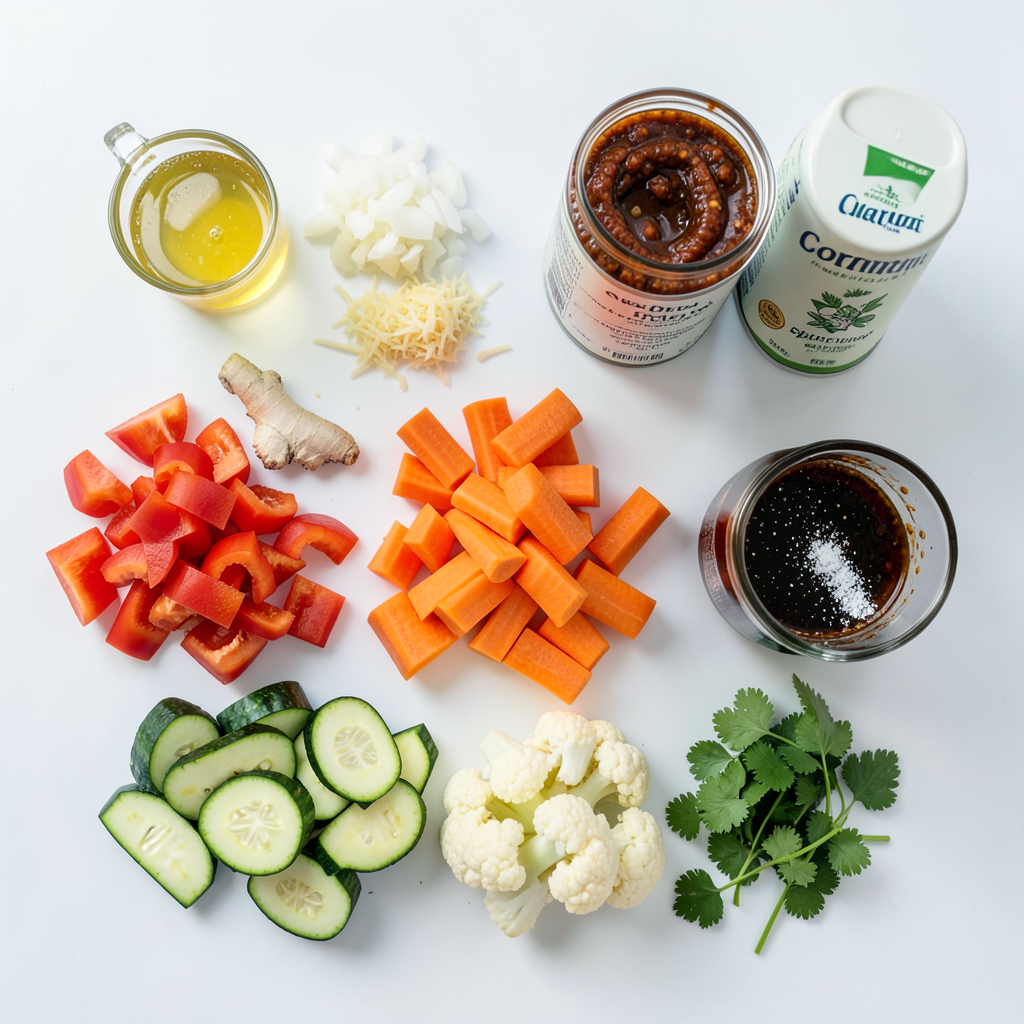
To make a great creamy vegetable curry, gather these essential ingredients:
- 1 tablespoon coconut oil
- 1 onion, diced
- 3 cloves garlic, minced
- 1 tablespoon ginger, grated
- 1 bell pepper, chopped
- 2 medium carrots, sliced
- 1 zucchini, chopped
- 1 cup cauliflower florets
- 1 can (14 oz) coconut milk
- 2 tablespoons red curry paste
- 1 tablespoon soy sauce
- 1 tablespoon maple syrup
- Salt and pepper to taste
- Fresh cilantro, for garnish
These items create a rich and tasty base. The coconut milk adds creaminess, while the curry paste gives it a nice kick.
Additional Ingredients for Enhancing Flavor
You can boost your curry's flavor with a few more ingredients:
- Lime juice for brightness
- Peas for sweetness
- Spinach for added greens
- Cashews for crunch
These additions make your dish even more delightful. Lime juice brightens the flavors, and peas add a touch of sweetness.
Substitutions for Dietary Preferences
If you have dietary needs, here are some substitutes:
- Use olive oil instead of coconut oil.
- Swap soy sauce for tamari for a gluten-free option.
- Try almond milk if you're dairy-free.
- Use any vegetables you enjoy, like bell peppers or green beans.
These substitutions keep the dish tasty and satisfying. You can easily adjust based on what you have in your kitchen.
Step-by-Step Instructions
Preparing the Vegetables
Start by gathering all your veggies. You need an onion, bell pepper, carrots, zucchini, and cauliflower. Dice the onion and chop the bell pepper. Slice the carrots and zucchini. Cut the cauliflower into small florets. This makes cooking easier.
Cooking the Base of the Curry
In a large pot, heat 1 tablespoon of coconut oil. Use medium heat for this step. Once the oil is hot, add the diced onion. Sauté for about 5 minutes until the onion turns soft and clear. Then, add 3 cloves of minced garlic and 1 tablespoon of grated ginger. Cook for 1 more minute until you smell the lovely aroma.
Combining Ingredients and Simmering
Now, add all the chopped veggies to the pot. Stir and sauté for 5 to 7 minutes. You want them to start softening. Next, pour in 1 can of coconut milk, 2 tablespoons of red curry paste, 1 tablespoon of soy sauce, and 1 tablespoon of maple syrup. Mix everything well. Bring this mixture to a gentle simmer. Lower the heat and let it cook uncovered for 15 to 20 minutes. Stir often until the veggies are tender and the sauce thickens. Season with salt and pepper to taste. If you like, use an immersion blender to make it creamier. After cooking, let it cool before putting it into freezer-safe containers. Seal them well, and you can freeze for up to 3 months.
Tips & Tricks
Best Practices for Freezing
To freeze your creamy vegetable curry, follow these steps:
- Allow the curry to cool completely.
- Use freezer-safe containers or bags.
- Portion the curry into single servings.
- Remove as much air as possible before sealing.
- Label each container with the date and dish name.
This way, you can enjoy your meal later without any fuss.
Reheating Instructions for Maximum Flavor
Reheating your curry right is key. Here’s how:
- Thaw the curry in the fridge overnight.
- Heat it in a pot over low to medium heat.
- Stir often to prevent sticking.
- If the curry seems thick, add a splash of water or coconut milk.
- Taste and adjust seasoning if needed.
This method keeps the flavors rich and fresh.
Adjusting Spice Levels and Creaminess
You can easily change the spice and creaminess in your curry. To make it spicier:
- Add more red curry paste during cooking.
- Stir in fresh chopped chili peppers or chili flakes.
For a creamier texture:
- Blend a portion of the curry with an immersion blender.
- Stir in extra coconut milk before serving.
These tips help you craft the perfect dish for your taste.
Pro Tips
- Use Fresh Vegetables: Fresh, seasonal vegetables not only enhance the flavor but also add nutritional value to your curry.
- Adjust Spice Levels: If you prefer a milder curry, start with less red curry paste and gradually add more to taste.
- Enhance Creaminess: For an extra creamy texture, blend a portion of the curry before serving or add a dollop of yogurt on top.
- Freezing Tips: When freezing, leave some space in the container for expansion and label them with the date for easy identification later.
Variations
Vegetarian and Vegan Modifications
You can easily make this curry vegetarian or vegan. The base of the recipe is already vegan due to coconut milk and fresh veggies. For a vegetarian twist, consider adding in paneer or tofu. Both options add protein and texture, making the dish more filling. Just cut them into cubes and toss them in when you add the other vegetables. If you want a richer flavor, marinate the tofu in soy sauce before adding it.
Protein Additions for a Hearty Meal
If you like a heartier meal, you can add protein. Chicken or shrimp work great in this curry. Cut the chicken into bite-sized pieces and cook it with the onions at the start. For shrimp, add them in during the last few minutes of cooking. They cook quickly and will soak up all the curry flavors. You can also use chickpeas for a plant-based protein boost. Just drain and rinse a can of chickpeas, and add them at the same time as the coconut milk.
Seasonal Vegetable Substitutions
Don’t be afraid to switch up the veggies based on what’s in season. In the spring, snap peas or asparagus add a fresh crunch. In the summer, consider adding bell peppers or eggplant. Fall brings great options like sweet potatoes or butternut squash, which add a nice sweetness. In winter, you can use root vegetables like parsnips or turnips. Just remember to cut them into similar sizes for even cooking. These swaps keep the curry exciting and flavorful all year round!
Storage Info
How to Store Creamy Vegetable Curry
To store your creamy vegetable curry, let it cool first. This step is key. Once cool, pour it into freezer-safe containers. Leave some space at the top. This space lets the curry expand as it freezes. Seal the containers tightly to keep out air.
Shelf Life and Freezing Guidelines
You can freeze creamy vegetable curry for up to three months. Label your containers with the date. This way, you’ll know when to enjoy it. To keep the best flavor and texture, eat it within the first month if possible. When you want to eat it, thaw it in the fridge overnight.
Containers Recommended for Freezing
Choose sturdy containers made from glass or BPA-free plastic. These materials hold up well in the freezer. Make sure they have tight-fitting lids. You can also use freezer bags. If you use bags, squeeze out all the air before sealing. This helps prevent freezer burn.
FAQs
Can I use fresh vegetables instead of frozen?
Yes, you can use fresh vegetables in this curry. Fresh veggies provide great taste and texture. Just chop them into small pieces. You may need to adjust cooking time. Fresh vegetables cook faster than frozen ones. Keep an eye on them as they sauté. If they look soft and bright, they are ready.
How do I know when the curry is done cooking?
The curry is done when the vegetables are tender. You will notice them softening during the cooking. The sauce should thicken slightly. If you like, blend a portion for creaminess. Taste it to see if the flavors are strong. Adjust salt and pepper as needed.
Is this creamy vegetable curry suitable for meal prep?
Yes, this creamy vegetable curry is perfect for meal prep. It freezes well and stays tasty. You can make a big batch and portion it out. Store it in freezer-safe containers. Just heat it up when you need a quick meal. This dish saves time and effort on busy days.
In this blog post, we explored how to make a creamy vegetable curry. We covered essential ingredients, step-by-step cooking methods, and tips for enhancing flavor. I discussed variations to fit dietary needs and how to store your curry properly. Remember, you can mix and match ingredients to create your perfect dish. With these basics, you can enjoy a tasty meal that suits your tastes and preferences. Dive in, get creative, and enjoy every bite!