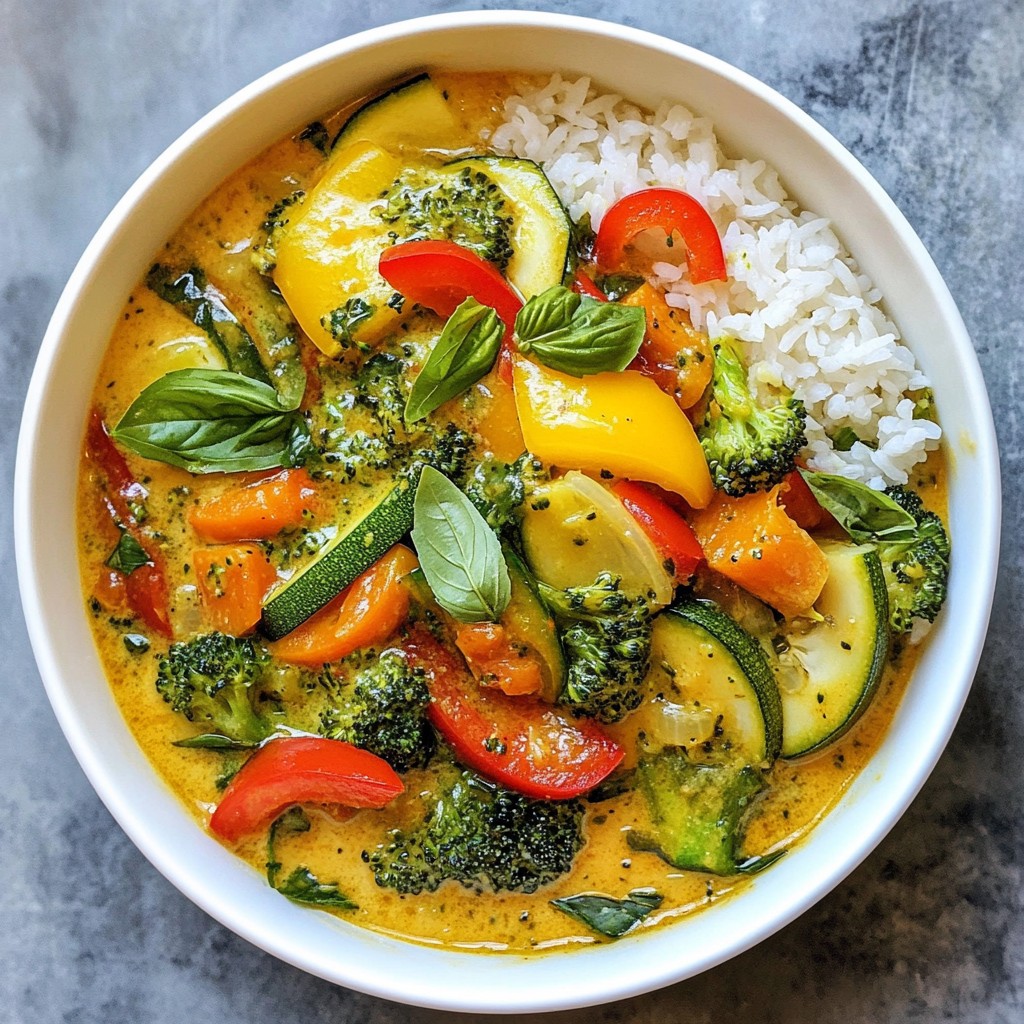
If you're looking for an easy way to enjoy a delicious meal during busy weeks, you’re in the right place. This Thai Red Curry with Vegetables is simple to make and perfect for freezing. It’s packed with flavor and nutrition. I’ll guide you through each step, from what ingredients to use to how to freeze it. Let's dive into this quick and tasty recipe that anyone can make!
Why I Love This Recipe
- Flavorful and Aromatic: This Thai Red Curry is packed with vibrant flavors from the red curry paste and fresh ginger, making every bite a delightful experience.
- Quick and Easy: With a prep time of just 15 minutes, this recipe is perfect for busy weeknights, allowing you to enjoy a homemade meal without spending hours in the kitchen.
- Healthy and Colorful: Loaded with a variety of vegetables, this curry not only looks appealing but also provides essential nutrients, making it a wholesome dish for any meal.
- Freezer-Friendly: This recipe is great for meal prep! You can easily store portions in the freezer, ensuring you have a delicious meal ready whenever you need it.
Ingredients
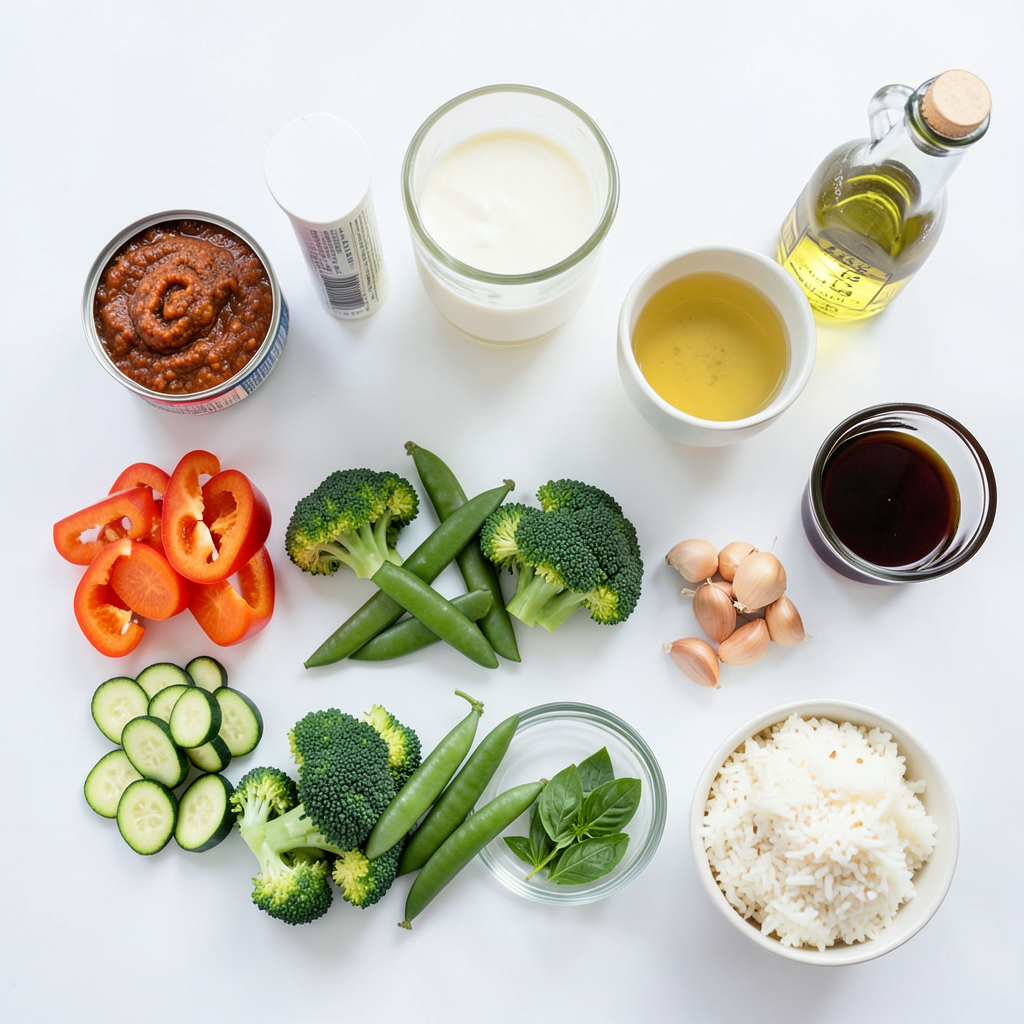
Main Ingredients List
- 2 tablespoons red curry paste
- 1 can (13.5 oz) coconut milk
- 1 cup vegetable broth
- 1 cup bell peppers (sliced, mix of colors)
- 1 cup zucchini (sliced)
- 1 cup broccoli florets
- 1 cup carrots (sliced)
- 1 cup snap peas
- 1 tablespoon soy sauce or tamari (for gluten-free)
- 1 tablespoon olive oil
- 2 teaspoons ginger (freshly grated)
- 2 cloves garlic (minced)
- Fresh basil (for garnish)
- Cooked jasmine rice or quinoa (for serving)
Important Pantry Staples
Red curry paste is the heart of this dish. It gives the curry its rich flavor. Coconut milk adds creaminess and balances the spice. Vegetable broth enhances the depth of flavor and keeps it light. Soy sauce or tamari gives a savory touch. Keep these staples on hand for quick meals.
Fresh Ingredients Overview
Fresh vegetables bring life to your curry. Bell peppers add color and crunch. Zucchini provides tenderness, while broccoli adds nutrition. Carrots give a sweet note, and snap peas add a crisp bite. Using fresh herbs like basil makes the dish pop with flavor. Choose ripe, vibrant veggies for the best taste.
Step-by-Step Instructions
Preparation Steps
1. Gather all your ingredients. You need red curry paste, coconut milk, and vegetable broth.
2. Wash and slice the bell peppers, zucchini, carrots, and snap peas.
3. Cut broccoli into small florets. Grate the ginger and mince the garlic.
4. Measure out your soy sauce or tamari and olive oil.
Cooking Instructions
1. Heat the olive oil in a large pot over medium heat.
2. Add minced garlic and grated ginger. Sauté for 1-2 minutes.
3. Stir in the red curry paste and cook for an extra minute.
4. Pour in the coconut milk and vegetable broth. Mix well.
5. Add all the sliced vegetables to the pot. Stir to coat them in sauce.
6. Bring the mixture to a gentle simmer. Let it cook for 15-20 minutes.
7. Check that the veggies are tender but still bright.
8. Add soy sauce or tamari to taste, stirring well.
Freezing Instructions
1. Allow the curry to cool slightly in the pot.
2. Portion the curry into freezer-safe containers.
3. Seal the containers tightly. Label with the date.
4. Store the curry in the freezer for up to 3 months.
5. To serve, thaw a portion in the fridge overnight.
6. Heat in a pot over medium heat until warmed through.
7. Serve over cooked jasmine rice or quinoa. Add fresh basil for flavor.
Tips & Tricks
Enhancing Flavor
To boost the flavor of your Thai red curry, try these tips:
- Use fresh ginger and garlic. They add a bright taste.
- Choose a good-quality red curry paste. It makes a big difference.
- Add a squeeze of lime juice before serving. This brightens the dish.
- Stir in fresh basil just before serving for a fresh aroma.
Cooking Variability
You can modify this recipe to suit your taste:
- Adjust the amount of red curry paste for more or less heat.
- Swap in your favorite vegetables based on what you have.
- Add protein like tofu or chicken for added nutrition.
- Try different grains like brown rice or quinoa for variety.
Common Mistakes to Avoid
Avoid these common pitfalls to ensure success:
- Don’t overcook the veggies; they should stay crisp and colorful.
- Be careful with salt; soy sauce adds saltiness. Taste as you go.
- Don’t skip the cooling step before freezing; it helps preserve flavor.
- Use freezer-safe containers to prevent freezer burn.
Pro Tips
- Use Fresh Ingredients: Fresh vegetables retain more flavor and nutrients, enhancing the overall taste of your curry.
- Adjust Spice Level: Feel free to modify the amount of red curry paste based on your heat preference; start with less and add more if needed.
- Perfectly Cooked Vegetables: To maintain vibrant colors and crispness, avoid overcooking the vegetables; they should be tender but still slightly crunchy.
- Freezing Tips: Ensure the curry is completely cooled before freezing to prevent ice crystals from forming, which can affect texture.
Variations
Protein Additions
You can easily change the protein in this dish. Common choices include chicken, shrimp, or tofu. For chicken, cut it into bite-sized pieces. Add it to the pot after sautéing the garlic and ginger. Cook it until the chicken turns white. For shrimp, add it in the last few minutes of cooking. Tofu is great too. Use firm tofu, cut into cubes, and sauté it with the garlic and ginger. Each protein brings its own flavor to the curry.
Vegetable Swaps
Feel free to swap any of the veggies in the curry. You can use eggplant, snap peas, or green beans. If you want a richer flavor, add mushrooms. They pair well with the curry. You can also add spinach or kale for extra greens. Just toss them in during the last few minutes of cooking. This helps keep their bright color and flavor.
Spice Level Adjustments
Adjusting the spice level is simple. If you like it hot, add more red curry paste. Start with one extra teaspoon, then taste. You can also add fresh chili peppers. For a milder curry, reduce the curry paste. Use only one tablespoon instead of two. Adding a touch of sugar can help balance the heat too. Remember, adjust to your liking!
Storage Info
Freezing Guidelines
To freeze your Thai Red Curry with Vegetables, wait until it cools. Use freezer-safe containers. Portion the curry into single servings. This makes it easy to grab what you need. Seal the containers tightly to avoid freezer burn. Label each container with the date to keep track of freshness. You can store it for up to 3 months.
Reheating Instructions
When ready to eat, defrost a portion overnight in your fridge. This helps maintain the flavor and texture. Once thawed, heat the curry in a pot over medium heat. Stir it often to ensure even warming. If the curry seems thick, add a splash of vegetable broth or water. Heat until it’s warmed through and ready to serve.
Shelf Life
Thai Red Curry can last in the freezer for 3 months. After thawing, eat it within 3 days. If you notice any off smells or changes in color, it’s best to toss it out. Proper storage helps keep your curry tasting great for each meal.
FAQs
Can I use different vegetables in Thai Red Curry?
Yes, you can swap out vegetables easily. Try using eggplant, green beans, or mushrooms. Just remember to cut them into similar sizes for even cooking. The key is to use vegetables that hold up well in the heat. This keeps them crunchy and colorful in the dish. Experiment with what you love or what’s in season.
How long does Thai Red Curry last in the freezer?
Thai Red Curry stays fresh in the freezer for up to three months. To keep it at its best, use airtight containers. Make sure it cools down before sealing. This helps prevent ice crystals from forming. When you're ready to eat, simply thaw and reheat.
What can I serve with Thai Red Curry?
Serve Thai Red Curry with jasmine rice or quinoa. Both pair well and soak up the sauce nicely. You can also add a side of fresh cucumber salad for a cool crunch. Another option is crispy spring rolls, which add texture and flavor. These sides balance the rich curry and make your meal complete.
You now have a solid understanding of making Thai Red Curry. We discussed key ingredients, preparation steps, and cooking tips. You learned how to enhance flavor and avoid common mistakes. Variations allow you to customize the dish to your taste. Proper storage and reheating methods ensure your curry stays fresh. Embrace creativity in the kitchen, and enjoy your delicious homemade Thai Red Curry.