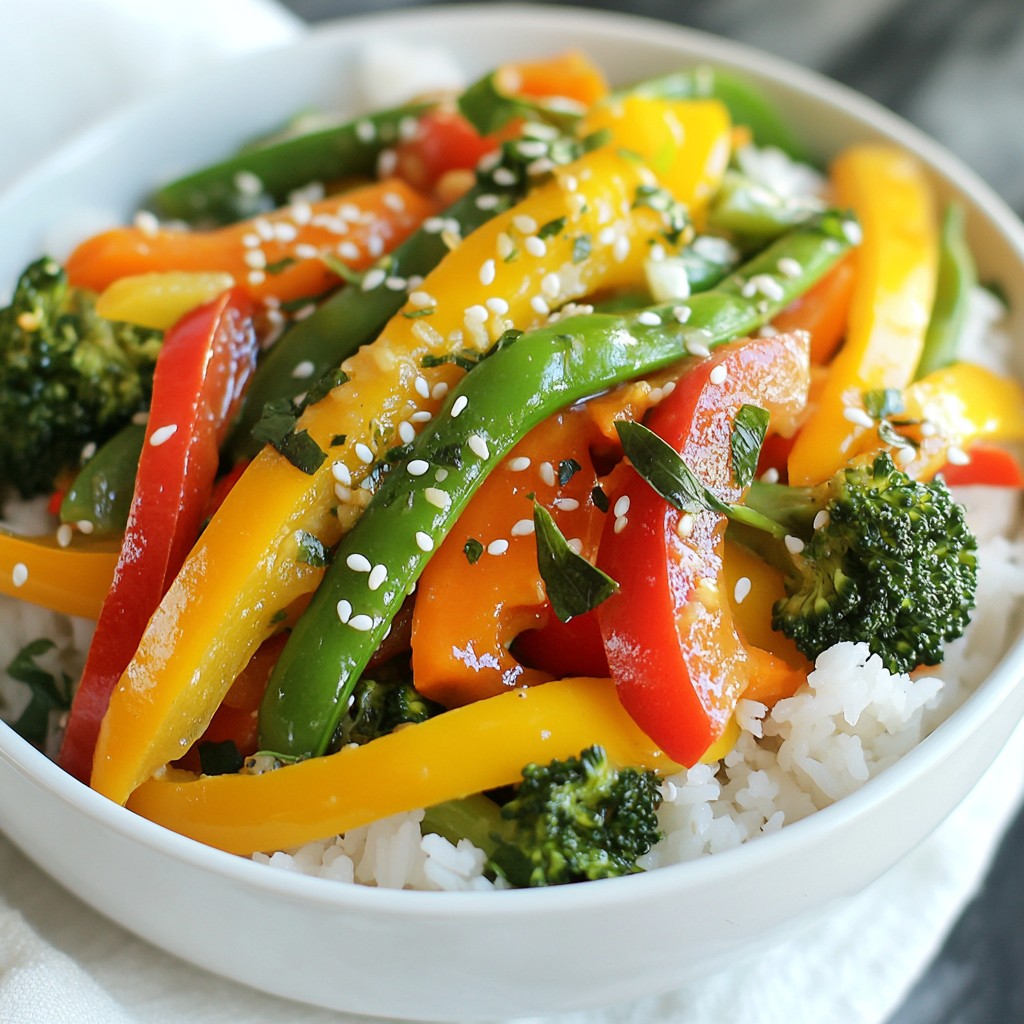
Are you looking for quick and easy meals to stock your freezer? I've got just the thing! This Vegetable Stir Fry recipe is not only simple but also full of vibrant flavors. You'll learn how to prep fresh veggies, make the perfect sauce, and freeze them for later. With a few tips and tricks, you'll enjoy delicious meals in no time. Let's dive in and make your meal prep a breeze!
Why I Love This Recipe
- Quick to Prepare: This vegetable stir fry comes together in just 30 minutes, making it perfect for busy weeknights.
- Freezer Friendly: Easily prepare and freeze portions for a quick meal option anytime you need it.
- Healthy and Colorful: Packed with a variety of vegetables, this dish is not only nutritious but also visually appealing.
- Customizable: Feel free to swap in your favorite vegetables or proteins to make it your own!
Ingredients
List of Fresh Vegetables
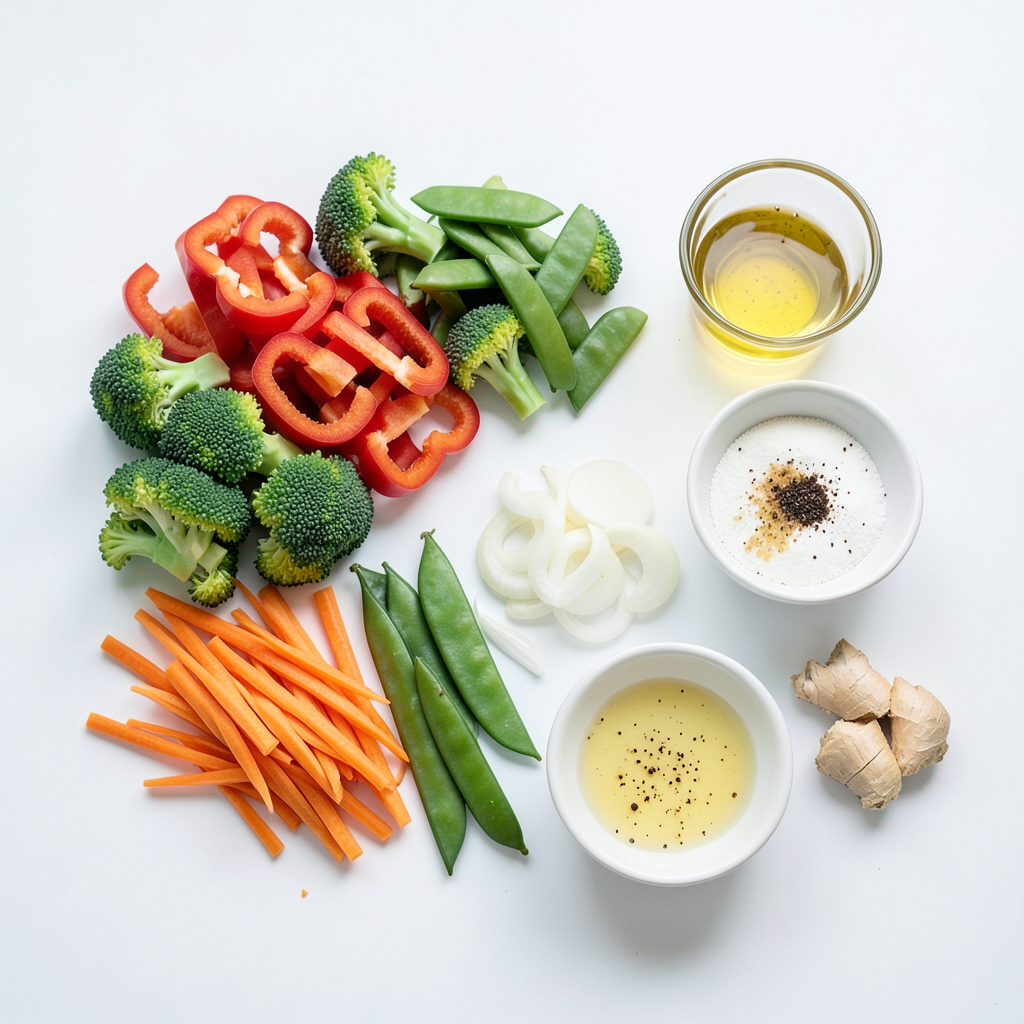
For a tasty vegetable stir fry, you need fresh veggies. Here’s what I like to use:
- 2 cups mixed bell peppers (red, yellow, green), sliced
- 1 cup broccoli florets
- 1 cup sugar snap peas
- 1 cup carrots, julienned
- 1 onion, sliced
These vegetables give a nice mix of colors and flavors. You can pick any of your favorites. Just remember to cut them into bite-sized pieces for easy cooking.
Essential Seasonings and Sauces
Seasonings make your stir fry pop with flavor. Here’s what you need:
- 3 cloves garlic, minced
- 1 tablespoon ginger, grated
- 3 tablespoons soy sauce
- 2 tablespoons sesame oil
- 1 tablespoon cornstarch (for thickening)
- 1 tablespoon water
- Salt and pepper to taste
The garlic and ginger add a warm kick. The soy sauce and sesame oil bring a rich taste that ties it all together.
Optional Add-ins for Customization
Want to make your stir fry special? Here are some fun add-ins:
- Cooked rice or quinoa (for serving)
- Protein options like chicken, tofu, or shrimp
- Extra spices like red pepper flakes
These add-ins let you create your own version. Just mix and match what you like best!
Step-by-Step Instructions
How to Prep the Vegetables
Start by washing all your vegetables. This is key for keeping them fresh. Cut the bell peppers into slices. Try to use red, yellow, and green ones for color. Next, chop the broccoli into small florets. For the carrots, use a knife to create thin strips known as julienne. Slice the onion and mince the garlic. Lastly, grate the ginger. Make sure everything is bite-sized for easy cooking.
Making the Stir Fry Sauce
In a small bowl, mix together the soy sauce and sesame oil. Then, add the cornstarch. This will help thicken your sauce. Pour in a bit of water to help it mix well. Use a whisk to combine everything until smooth. The cornstarch should dissolve completely. This sauce will add a great flavor to your stir fry.
Cooking the Vegetable Stir Fry
Heat a large skillet or wok over medium-high heat. Add a drizzle of oil to coat the pan. Once hot, toss in the minced garlic and grated ginger. Sauté them for about 30 seconds. You want them to smell great but not burn. Next, add the sliced onion and carrots. Cook them for 2-3 minutes. Then, add the bell peppers, broccoli, and sugar snap peas. Stir fry for 5-7 minutes. You want the vegetables to be tender but still crisp. Finally, pour the stir fry sauce over the veggies. Stir quickly to coat them well. Cook for an additional 1-2 minutes until the sauce thickens. Season with salt and pepper to taste. If you want to freeze it, let it cool first. Then, store in freezer-safe containers.
Tips & Tricks
How to Achieve Perfectly Cooked Vegetables
To cook vegetables just right, I suggest cutting them into similar sizes. This helps them cook evenly. Start with the firmer veggies like carrots and onions. Sauté them first for a few minutes. Then, add softer ones like bell peppers and broccoli. They will keep a nice crunch. Stir often to avoid burning. It’s all about timing and keeping an eye on the pan.
Best Freezing Practices for Stir Fry
Freezing stir fry is easy if you follow a few steps. First, let the stir fry cool completely before freezing. This helps prevent ice crystals. Use airtight, freezer-safe bags or containers. Remove as much air as possible for best results. Label each bag with the date. Eat within three months for optimal taste.
Quick Reheating Techniques
Reheating your frozen stir fry is simple. I recommend using a pan over medium heat. Add a splash of water to help steam the veggies. Stir occasionally to heat them evenly. If you prefer, a microwave works too. Just cover the dish to keep moisture in. Heat in short bursts, stirring in between. Enjoy your quick meal in no time!
Pro Tips
- Prep Ahead: Chop and prepare all vegetables in advance and store them in airtight containers in the fridge for quick and easy meal prep.
- Use Fresh Ingredients: For the best flavor and nutrition, use fresh vegetables. Frozen vegetables can also work but may have a different texture.
- Customize the Sauce: Feel free to add more spices or sauces, like chili paste or hoisin, to tailor the stir fry to your taste preferences.
- Thickening Trick: If you prefer a thicker sauce, increase the cornstarch to 1.5 tablespoons, mixing it with a bit more water before adding it to the stir fry.
Variations
Protein Additions: Chicken, Tofu, or Shrimp
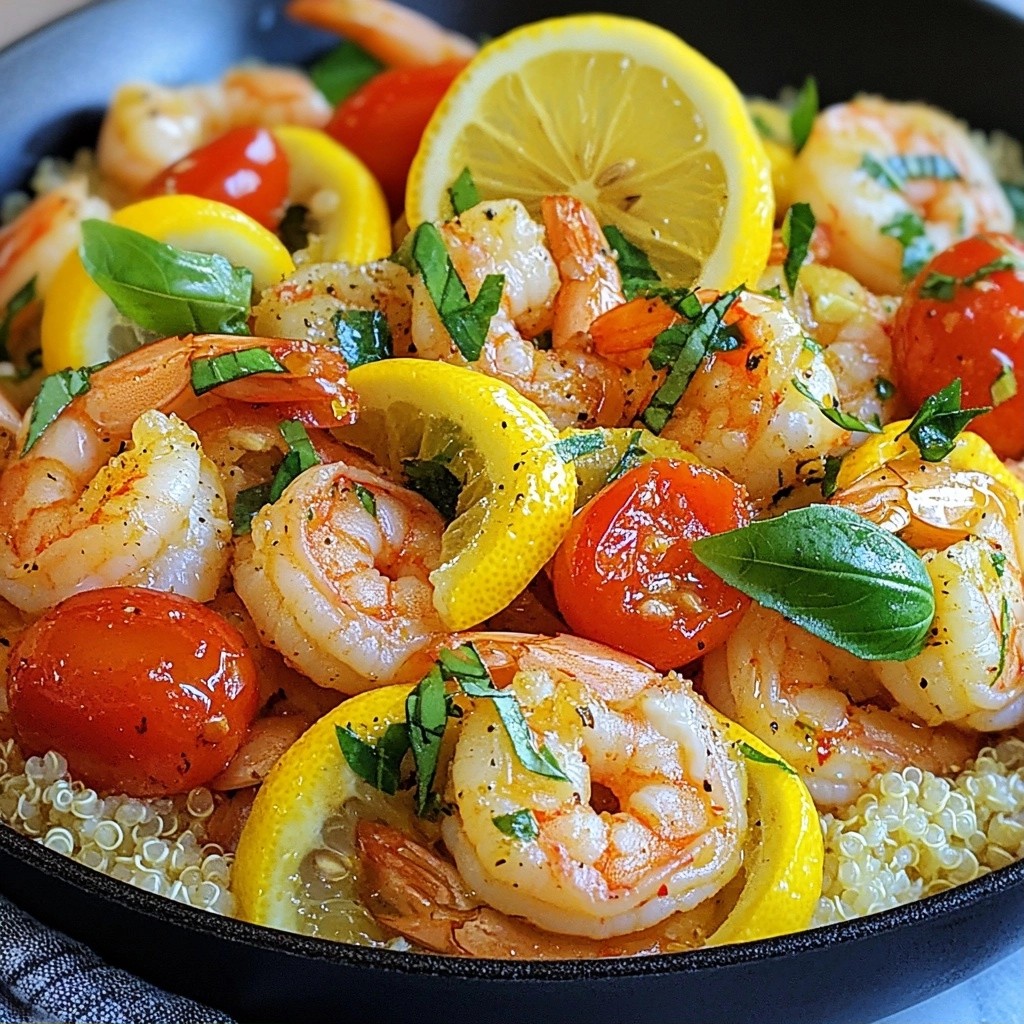
You can add protein to your vegetable stir fry for more flavor. Chicken is a great choice. Cut it into small pieces and cook it first. Tofu is a fantastic option too. Firm tofu holds its shape well. Press it to remove excess water, then cube it. Shrimp cooks quickly and adds a nice texture. Toss it in after the veggies, and cook until pink.
Different Sauce Alternatives
The sauce really changes the dish. You can switch soy sauce for tamari to make it gluten-free. A teriyaki sauce adds a sweet twist. For a spicy kick, use sriracha or chili paste. You can make a peanut sauce by mixing peanut butter with soy sauce and water. Experiment with different flavors to find what you love.
Seasonal Vegetables to Use
Using seasonal vegetables makes this dish fresh and tasty. In spring, try snap peas and asparagus. Summer is perfect for zucchini and corn. In fall, add butternut squash or bell peppers. Winter brings hearty veggies like Brussels sprouts and root vegetables. Pick what’s in season to make your stir fry vibrant and healthy.
Storage Info
Best Containers for Freezing
For freezing vegetable stir fry, choose good containers. I like using glass or BPA-free plastic containers. They keep my stir fry fresh and safe. You can also use freezer bags. Make sure to remove as much air as you can. This helps prevent freezer burn and keeps flavors strong. Label each container with the date and contents. This way, you will know what you have later.
Shelf Life of Frozen Vegetable Stir Fry
Frozen vegetable stir fry lasts about three months. After that, the taste may fade. It’s best to eat it within this time for the best flavor and texture. If you see ice crystals forming, it’s a sign of freezer burn. While it’s still safe to eat, the quality may drop.
Defrosting and Reheating Guidelines
To defrost your stir fry, move it to the fridge overnight. This method keeps it safe and tasty. If you need it fast, you can use a microwave. Microwave on low for a few minutes. Keep an eye on it to avoid cooking it.
For reheating, use a pan over medium heat. If the stir fry seems dry, add a splash of water. Stir well to heat evenly. Serve it over cooked rice or quinoa for a complete meal.
FAQs
Can I freeze vegetable stir fry after cooking?
Yes, you can freeze vegetable stir fry after cooking. Just let it cool first. Place it in freezer-safe bags or containers. Make sure to remove as much air as possible. This helps prevent freezer burn and keeps the taste fresh. When you're ready to eat, reheat it on the stove or in the microwave.
How long can I keep vegetable stir fry in the freezer?
You can keep vegetable stir fry in the freezer for about three months. After that, the taste may fade. Use a marker to label your containers with the date. This way, you know when to use them. For the best flavor, aim to enjoy it sooner rather than later.
What vegetables freeze best for stir fry?
The best vegetables for freezing in a stir fry include bell peppers, broccoli, and carrots. Sugar snap peas also freeze well. These veggies hold their color and crunch after freezing. Avoid starchy vegetables like potatoes, as they do not freeze well. Always chop them into bite-sized pieces before freezing for easy cooking later.
In this blog post, we explored key ingredients for a tasty vegetable stir fry. You learned how to prep fresh veggies, make the sauce, and cook everything perfectly. We also covered tips for storage and reheating. Remember to customize your dish with protein or seasonal vegetables. Now, you can create delicious stir fries with ease. Enjoy experimenting and making this dish uniquely yours!